10 Essential Fire Door Maintenance Tips Every Building Manager Should Know
A fire-rated door that is not properly maintained may fail when it is needed most. Regular inspection and maintenance are not just good practice, they are a legal requirement under NBC 2016 and most fire safety audits.

Here are the 10 maintenance checks every building manager should perform on their fire door inventory:
Check Door Clearances
The gap between the door leaf and frame on the top and sides should not exceed 3mm. The gap at the bottom should not exceed 10mm (or per manufacturer specification). Excessive gaps compromise the fire and smoke seal.
Inspect Intumescent Seals
Intumescent seals should be intact, undamaged, and firmly bonded to the door edge or frame rebate. Any sections that are cracked, missing, or painted over must be replaced immediately. Never paint over intumescent seals.
Test the Door Closer
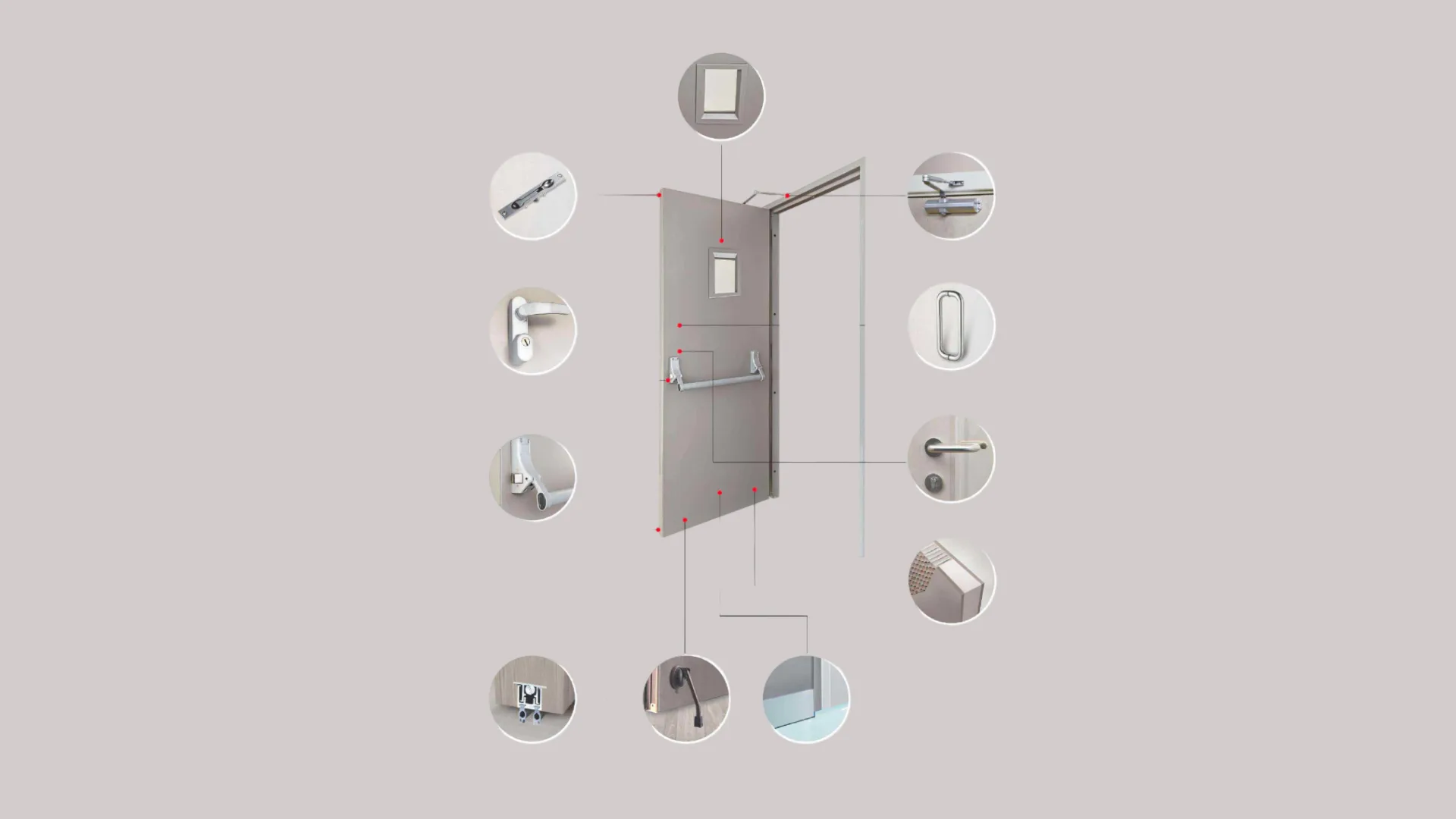
A fire door must self-close and latch from any open position, including 5 degrees. Hold the door open at 90 degrees, release it, and verify it closes and latches fully without assistance. A door closer that does not return the door to the closed position is a serious fire risk.
Verify Hinges are Undamaged
Fire door hinges must be certified and in good condition. Check that all screws are present and tight, hinges are not worn or loose, and the door hangs level. Minimum three hinges are required on most fire doors.
Check for Unauthorised Modifications
Any holes drilled, letter boxes cut, or additional locks fitted after original certification can void the fire rating. Look for any modifications not present in the original certification documentation.
Ensure the Door is Never Wedged Open
A fire door held open by a wedge, furniture, or any other object is a serious violation. If occupants need doors held open for convenience, install an electromagnetic hold-open device linked to the fire alarm system that releases on alarm.
Inspect the Door Leaf for Damage
Look for dents, impact damage, holes, or delamination of the door skin. Any damage that compromises the structural integrity of the door leaf must be assessed by a qualified fire door inspector before the door is returned to service.
Check Certification Labels
Every fire door should have a certification label (typically on the top edge of the door leaf or inside the frame) showing the manufacturer, fire rating, and certification body. Missing or illegible labels may require the door to be re-tested or replaced.
Lubricate Moving Parts Annually
Hinges, pivot mechanisms, and latch bolts should be lubricated with an appropriate product once a year. Avoid petroleum-based lubricants on intumescent seals. Graphite-based or dry lubricants are preferred.
Schedule Annual Professional Inspections
High-traffic fire doors (staircase lobbies, common areas) should be inspected every 6 months. Other fire doors require at least an annual professional inspection. Acodor provides after-sales service and inspection support for all installed doors.
- High-traffic doors (lobbies, stairwells): Every 3-6 months
- Standard compartmentation doors: Every 12 months
- After any incident, modification, or visible damage: Immediately
Looking for fire-rated doors?
Acodor manufactures IS:3614 and BS:476 certified steel fire doors for residential, commercial and industrial use. Request a free quote today.
Get a Free Quote View Products